The short answer
Start with brushes for the products you already use. A small kit that covers your base, cheek color and chosen eye look can be more useful than a large set of shapes you cannot assign a job to.
Inventory the makeup, then choose the tools
A large brush set can make a dressing table feel complete while leaving you unsure what half the tools do. Start with the makeup you use on an ordinary day. A powder foundation, cream blush, and simple eye look create a different tool list from a routine built around liquid base and one lip product. Let the products lead the purchase.
Lay your current tools beside the products they serve. Notice which brush you reach for repeatedly and which ones remain untouched. This is not a reason to throw away usable brushes. It is a way to recognize the shapes and handling you already enjoy before another attractive set appears in your shopping basket.
Choose by the size of the task
A broad, soft-feeling brush may be convenient for a light application across a larger area. A smaller shape may give more control for targeted placement. Consider the size of your face, the product pan, and the precision you want. The word professional on the packaging does not tell you whether a brush is comfortable in your hand.
For a first kit, aim to cover distinct tasks rather than collecting slightly different versions of the same shape. You may want one tool for complexion products, one for cheek color, and one for the eye look you wear most often. These are possible roles, not a mandatory three-brush formula. Some routines legitimately need fewer tools.
Match the tool to the product instructions
Read a product's application guidance before buying a brush to accompany it. A brand may recommend a particular technique, but that does not mean you must purchase its matching tool. Compare shape and intended use, then consider whether a brush you own can already do the job comfortably. Avoid buying duplicates just to create a coordinated collection.
A sponge can be another option for certain complexion products, but it adds its own handling, cleaning, and replacement considerations. A tool that produces a finish you like still has to fit your routine. If washing and drying an item feels impractical in your space, consider a different approach rather than letting dirty tools accumulate.
Make cleaning and drying part of ownership
The purchase price is only one part of a tool's cost. You also need a workable place to clean it, time for it to dry, and a way to store it. Follow the manufacturer's cleaning directions, including any warnings about soaking handles or damaging adhesive. A brush that fits a small drying area may be more practical than a bulky specialty tool.
Keep applicators for eye cosmetics clean and avoid sharing used makeup tools. The FDA's eye-cosmetic guidance emphasizes hygienic use. If you experience an eye infection, seek professional advice about products and applicators used around that time. Do not assume that a quick wipe makes every used tool suitable for someone else.
Compare the useful pieces, not the piece count
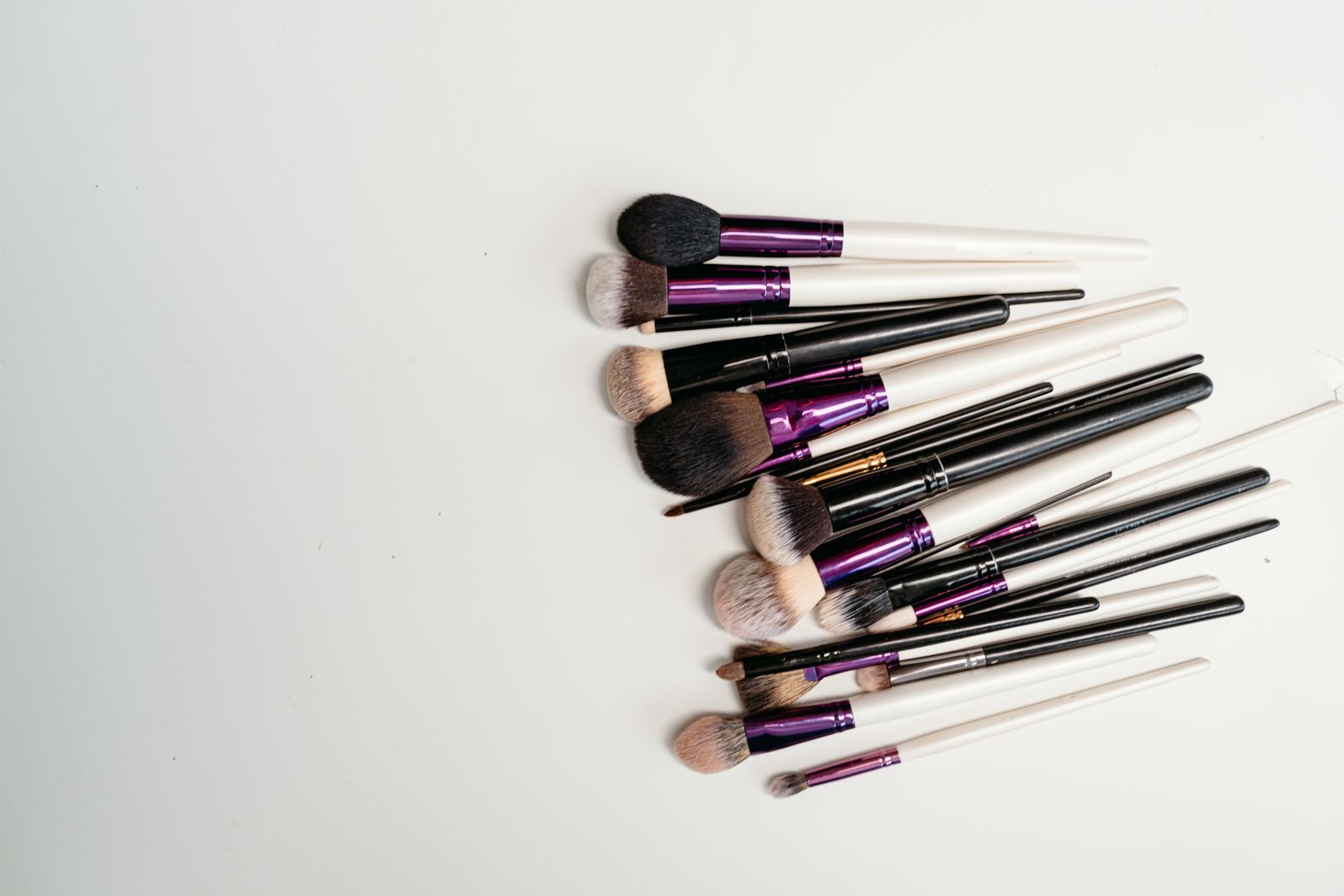
A twenty-piece set is not necessarily better value than two brushes you use every day. Write down the cost of the individual tools you genuinely need, then compare it with the set. Cases, duplicate shapes, and decorative extras may explain much of the apparent bargain. Buying slowly can make it easier to understand which tool actually improves your application.
Consider handle length if you get ready close to a mirror, and packaging size if you travel often. A short handle may fit a pouch, while a longer one might suit a stationary setup. Keep the choice tied to your habits. A small, cared-for kit can be a considered collection rather than an incomplete version of someone else's routine.
Before you buy
- Map each brush to makeup you actually use.
- Choose distinct functions before duplicate shapes.
- Check cleaning and drying instructions.
- Compare the useful tools in a set with individual purchases.
Continue your research
These official-brand starting points are for browsing the relevant category. Compare the current details against your checklist; inclusion is not a claim that every item suits you.
Explore e.l.f. Cosmetics ↗Explore Real Techniques tools ↗Non-affiliate links. Prices, ingredients, stock and terms are set by the merchant. Check the current product page and label.
Your questions, considered
Do I need the brush sold with my foundation?
Not automatically. Read the application directions and consider whether a tool you already own can provide the handling and finish you prefer.
Is an expensive brush always softer or easier?
Price is not a complete measure of suitability. Shape, intended use, comfort, care requirements, and the retailer's return terms all matter.
Sources & further reading
Prepared October 27, 2026. Sources support general background; the shopping judgments are editorial. For persistent symptoms or individual health advice, consult a qualified clinician.
Something to clarify? Send a correction or a question. Read our editorial standards.